|
Everyday Health Tips
|
|
Small habits. Better energy. Healthier days.
|
|
|
Weekly Wellness Brief
Your Body Is Still in Winter Mode. That's What Makes This Week So Dangerous.
The Southwest just shattered all-time March heat records. But early-season heat is especially dangerous — because your body hasn't acclimatized yet. Here's what doctors want you to know (and do) right now.
|
|
|
Key Takeaways
|
|
🌡️ 112°F in Arizona
Eight states broke all-time March heat records on Friday alone. Phoenix hit 105°F — smashing a record that stood since 1988.
|
|
|
⚠️ Early heat = extra risk
Your body hasn't acclimatized yet. That means dehydration, heat exhaustion, and heat stroke can hit faster than in summer.
|
|
|
🧠 Your brain feels it too
Research links extreme heat to increased ER visits for mental health issues — including anxiety, mood disorders, and suicidal ideation.
|
|
|
|
In Detail
|
|
|
This isn't a normal warm week. It's the most extreme March heat event in U.S. history.
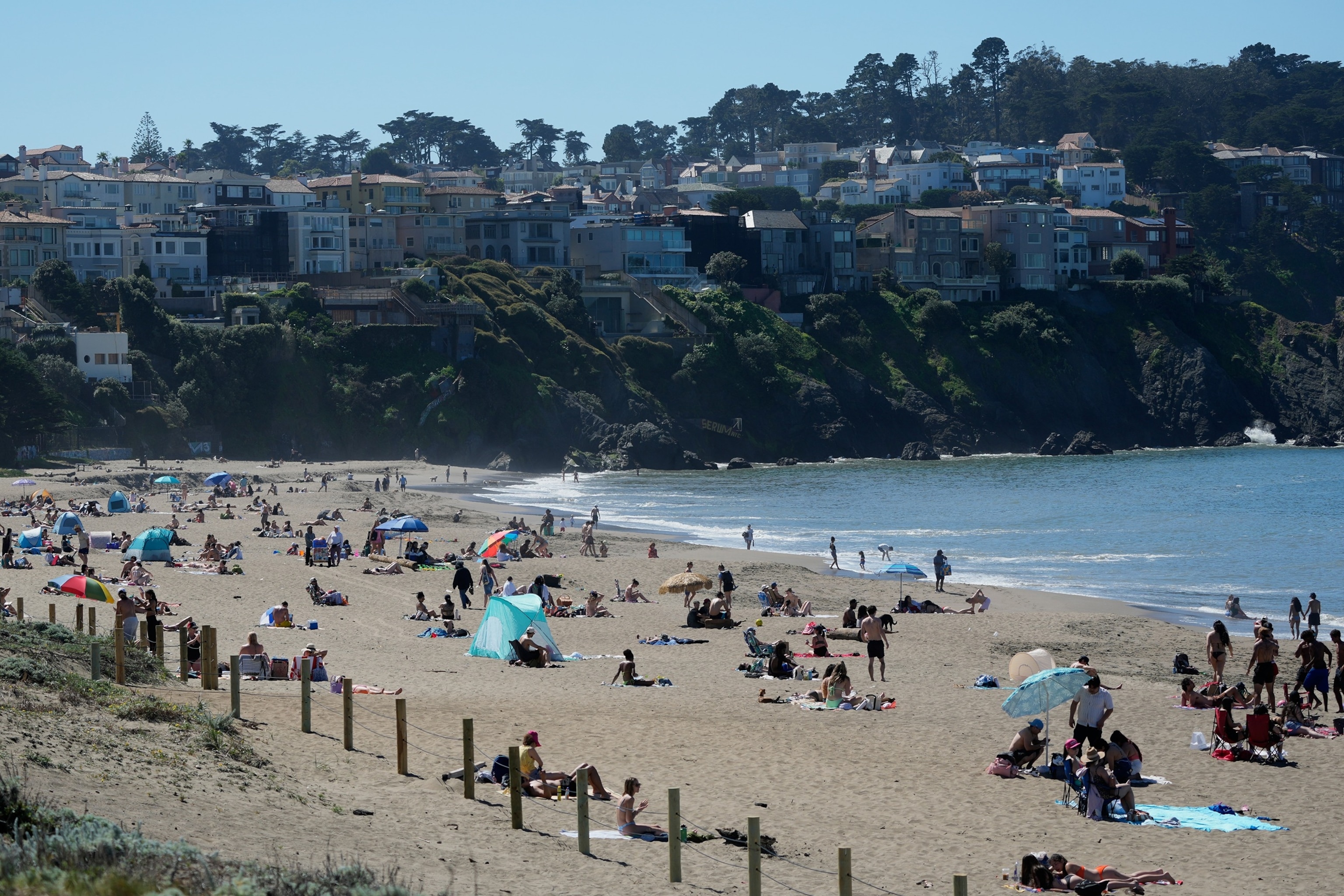
This past week, temperatures across Arizona, California, Nevada, Utah, Colorado, New Mexico, and Wyoming didn't just break records — they obliterated them. Two Arizona communities and two spots in Southern California hit 112°F on Friday, the highest March temperature ever recorded in the United States. Phoenix reached 105°F, shattering its previous March record of 100°F. Flagstaff hit 84°F — eleven degrees above its old March record and hotter than any April day ever measured there. Las Vegas crossed 94°F, breaking its all-time March record.
Climate scientists at World Weather Attribution found that heat at this level in March would have been essentially impossible without the effects of human-caused warming. Stanford climate scientist Chris Field classified this event alongside the 2021 Pacific Northwest heat wave — one of the most extreme weather events in modern history.
But here's the part that matters most for your health: early-season heat is more dangerous than summer heat — even at the same temperature. Why? Because your body hasn't acclimatized yet.
|
|
Why March heat hits your body harder than July heat
In summer, your body has had weeks to adapt. Your sweat response is more efficient. Your blood vessels dilate faster. Your thirst signals kick in sooner.
In March, none of that has happened. Your body is still in "spring mode," which means it works harder to cool itself, burns through fluids faster, and can overheat at lower temperatures than it would in August. Medical research shows the risk of heat-related illness and death is greatest when people have not yet adjusted to high temperatures — exactly the situation millions of people are in right now.
And it's not just your body. A University of Utah study found that short bursts of extreme heat — combined with air pollution — are linked to increased risk of ER visits for mental health emergencies, including anxiety, mood disorders, and suicidal ideation. Heat doesn't just make you uncomfortable. It changes your brain chemistry.
|
|
✅ Your heat-safety checklist (even if you're not in Arizona)
These aren't just for the Southwest. As early-season heat becomes more common, everyone should know these:
💧 Hydrate before you're thirsty. By the time you feel thirst, you're already 10–25% dehydrated according to doctors. The CDC recommends about 3/4 gallon of water daily in heat — more if you're active. Quick check: your urine should be pale yellow to clear. If it's dark, you're behind.
🧂 Don't forget electrolytes. Water alone isn't always enough. When you sweat heavily, you lose sodium and minerals. A Yale Medicine emergency specialist recommends mixing half water and half sports drink for the best rehydration balance. Or add a pinch of salt and a squeeze of lemon to your water bottle.
🕐 Shift your schedule. Avoid outdoor activity between 10:30 AM and 2 PM — the window when heat exhaustion risk peaks. Move your run, walk, or yard work to early morning or evening. Even 20 minutes of exertion in peak heat can trigger symptoms if you're not acclimated.
🧴 Sunburn makes everything worse. A sunburn actually impairs your body's ability to cool itself. Use broad-spectrum SPF 30+ and reapply every 2 hours. This isn't about vanity — it's a safety measure.
🍉 Eat your water. Watermelon, cucumber, grapes, and cantaloupe are all high-water-content foods that support hydration alongside regular fluid intake. Lighter meals in general put less strain on your body in the heat.
💊 Check your medications. Many common prescriptions — including blood pressure meds, antihistamines, and some antidepressants — can increase dehydration or impair your body's heat response. Don't stop taking them, but talk to your doctor about heat-season adjustments.
🚨 Know the warning signs. Heavy sweating, dizziness, nausea, headache, and muscle cramps = heat exhaustion. Get to shade, sip cool water, and rest. If someone stops sweating, becomes confused, or has a rapid pulse — that's heat stroke. Call 911 immediately.
|
|
|
Check on these people today
Some people are at much higher risk during early heat events. The CDC and Red Cross specifically flag: older adults (especially those living alone), children under 4, pregnant women, people with heart conditions or high blood pressure, anyone taking medications that affect hydration, outdoor workers, and people without access to air conditioning.
If you know someone in these groups — a parent, a neighbor, a coworker who works outdoors — send them a text today. A quick check-in can genuinely save a life during extreme heat.
|
|
⚡ One thing most people get wrong:
Electric fans don't actually help when temps exceed 90°F. Above that threshold, fans blow hot air over your body and can actually increase your core temperature. Air conditioning, cool showers, or wet towels on your neck and wrists are far more effective. If you don't have AC, call 2-1-1 to find a local cooling center.
|
|
|
What to do with all of this
112°F in March used to be unthinkable. It just happened. And climate scientists expect these early-season heat events to become more common — not less. But here's the thing most people miss: heat illness is one of the most preventable health emergencies there is. You just have to take it seriously before symptoms show up.
Your one step for this week: tonight, fill a water bottle and put it in the fridge. Tomorrow, drink it before your coffee. Then refill it and keep it within arm's reach all day. It's the smallest possible habit — and it's the one that changes everything else about how your body handles heat.
|
|
|
|
Someone you know needs to read this
Forward this to a friend or family member — especially anyone in the Southwest, working outdoors, or living alone.
|
|
|
