|
Everyday Health Tips
|
|
Small habits. Better energy. Healthier days.
|
|
|
Weekly Wellness Brief
That Snack You "Can't Stop Eating" Was Designed That Way.
A major new study from Harvard, Michigan, and Duke says ultraprocessed foods are engineered using the same playbook as cigarettes. Here's what that means for your kitchen — and five swaps you can make this week.
|
|
|
Key Takeaways
|
|
🚬 Same playbook
Researchers found ultraprocessed foods use 5 of the same engineering tactics as cigarettes to keep you consuming more.
|
|
|
🇺🇸 73% of U.S. food
Research estimates that over 73% of the foods in U.S. grocery stores are ultraprocessed. Most aisles are full of them.
|
|
|
🔄 It's not willpower
The study says blaming yourself misses the point. These foods are precision-engineered to override your self-control.
|
|
|
|
In Detail
|
|
|
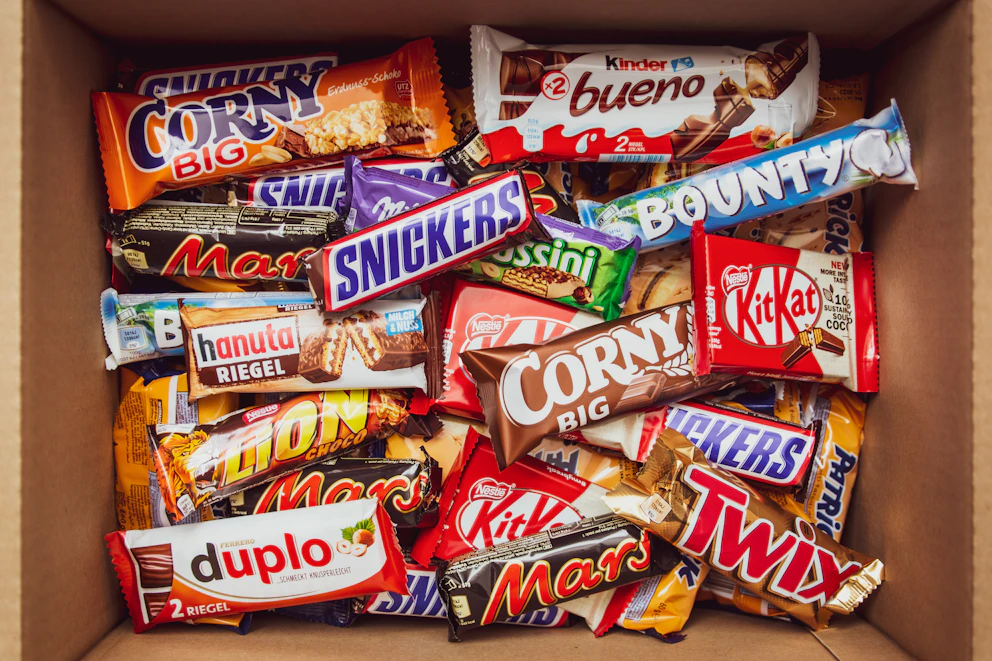
You're not addicted to snacking. You're addicted to an industrial formula.
Ever opened a bag of chips and thought, "I'll just have a few" — and looked down ten minutes later to find it empty? That late-night cereal bowl that somehow became three? The drive-through order you swore you'd skip today?
You probably blamed yourself. But a major new study says the problem isn't your discipline — it's the food itself.
Researchers from Harvard, the University of Michigan, and Duke published a review in The Milbank Quarterly comparing ultraprocessed foods to cigarettes. Not metaphorically. They analyzed the actual engineering strategies — and found the overlap is striking.
|
|
5 ways your food is engineered like a cigarette
The researchers identified five parallel strategies used by both the tobacco and food industries:
1. Dose optimization. Cigarettes deliver nicotine at precisely the dose that maximizes pleasure without triggering aversion. Ultraprocessed foods do the same thing with sugar and fat — calibrating levels to hit a "bliss point" that keeps you reaching for more.
2. Speed of delivery. Cigarettes are engineered so nicotine reaches the brain in seconds. Ultraprocessed foods are stripped of fiber, protein, and water — which means fat and sugar hit your bloodstream (and your dopamine system) far faster than whole foods ever could.
3. Hedonic engineering. That intense burst of flavor in the first bite? It's deliberate. The flavor is front-loaded and fades quickly — prompting another bite. And another. The texture is designed to dissolve fast, so nothing tells your brain to stop chewing.
4. Environmental ubiquity. Cigarettes were once sold everywhere — gas stations, vending machines, restaurants. Ultraprocessed foods are in the same position now: checkout counters, office breakrooms, school cafeterias, airport terminals. Avoiding them requires active resistance at every turn.
5. Deceptive reformulation. The tobacco industry sold "light" and "low-tar" cigarettes that were just as harmful. The food industry does the same with "low-fat," "sugar-free," and "all-natural" labels that disguise products that are still heavily processed.
|
|
⚡ Why this matters for your health:
High UPF consumption is linked to increased risks for heart disease, type 2 diabetes, cancer, metabolic disorders, and premature death. Emerging evidence also suggests links to neurodegenerative disease and poorer mental health. The WHO warns that UPF-heavy diets are spreading rapidly across the globe.
|
|
|
The 10-second kitchen test
Not sure if something is ultraprocessed? Johns Hopkins dietitians recommend flipping the package over and asking one question: "Would I find these ingredients in my own kitchen?"
If the ingredient list includes things like hydrogenated oils, high-fructose corn syrup, modified starch, artificial colors (Red 40, Yellow 5), or emulsifiers you can't pronounce — it's ultraprocessed. A long list of ingredients is usually the first red flag. Canned beans with three ingredients? Fine. A protein bar with twenty-seven? Different category entirely.
Another quick shortcut: shop the perimeter of the store first. Fresh produce, dairy, meats, and seafood tend to live on the outer walls. The inner aisles are where most ultraprocessed products are shelved.
|
|
✨ 5 swaps you can make this week (no overhaul needed)
Don't try to purge your entire pantry. Pick one swap. Do it for a week. Then try the next one.
🥣 Sweetened cereal → plain oats with fruit. Most flavored cereals are essentially dessert. Oats with banana, cinnamon, and a drizzle of honey give you fiber, slow-release energy, and no crash at 10 AM.
🥜 Processed peanut butter → natural peanut butter. Check the label on your jar. If it has more than 2 ingredients (peanuts and salt), it's likely ultraprocessed. Brands like Crazy Richard's or store-ground versions are widely available at the same price.
🥤 Soda or energy drink → sparkling water with lemon. You still get the fizz and the ritual. You lose the 40g of sugar and the engineered flavor crash that makes you want another one in an hour.
🍕 Frozen pizza → same pizza, better crust. You don't have to give up frozen pizza entirely. Switch to a whole-wheat or cauliflower crust with veggie toppings. The difference in ingredients is dramatic — the taste difference is smaller than you'd expect.
🍫 Candy bar → dark chocolate + handful of nuts. The combo of healthy fat, protein, and antioxidants from dark chocolate satisfies the craving without the dopamine roller coaster of a Snickers bar. You feel full instead of wired.
|
|
|
Stop blaming yourself. Start reading labels.
The lead researcher on this study, psychologist Ashley Gearhardt from the University of Michigan, says her patients often recognize the pattern themselves. They describe feeling "addicted" to certain foods — the same way they once felt about cigarettes.
Her point isn't that you should never eat a chip again. It's that understanding how these foods are designed changes the game. Once you know the bag was engineered so you couldn't stop at a handful, you stop treating it as a character flaw — and start treating it as an environmental problem you can solve.
Keep fewer of them in the house. Swap one per week. Read the back of the label, not the front.
|
|
What to do with all of this
You don't need to overhaul your diet in a weekend. The researchers aren't saying all processed food is poison — they're saying some of it is specifically engineered to make moderation nearly impossible. And once you see that, you can't unsee it.
Your one step for this week: next time you're at the store, flip over one product you buy every week — your cereal, your yogurt, your peanut butter — and count the ingredients. If there are more than five, or if you don't recognize half of them, try the simpler version sitting right next to it on the shelf. One swap. That's it.
|
|
|
|
This one's worth sharing
Forward this to someone who's been hard on themselves about snacking. It's not them — it's the formula.
|
|
|
Everyday Health Tips
|
|
